The condition of enslaved persons with disability has been a subject of profound interest since HIST 501, and was the subject of the final paper for that course. This was motivated by a small ad in an 1859 edition of Baltimore’s The Sun describing the sale of one hundred seventy slaves from the estate of Richard Morton, recently deceased, from Montgomery, Alabama. The sale netted some $100,000, an average price of around $911 for each human, with one boy fetching over $2,000. This particular lot included a “large number that were very young, some lame, and some blind.”[1] Because several of the enslaved bore disabilities of one sort or another, it was safe for historians to conclude their bodies possessed value and a certain measure of labor was expected from every man, woman, and child despite limitations. Chattel slavery was a potent economic engine, first in British North America, and later in the United States. The histories of the Antebellum era abounded with narratives of labor performed by able-bodied men, women, and children of African descent laboring daily under physically challenging, sometimes brutal, conditions.[2] Enslaved people with physical and mental disabilities were strikingly absent from most narratives. In fact, this silence is broadly characteristic of disability history across the demographic spectrum. Contemporaneous records and other statistical data from the late antebellum period indicated that disability was as much a part of the human experience then as it remained today. In a social structure that legally recognized any enslaved as three-fifths of a person, it is critical to determine the contribution of people who were “deaf and dumb, blind, insane, or idiotic”[3] and the people who cared for them.
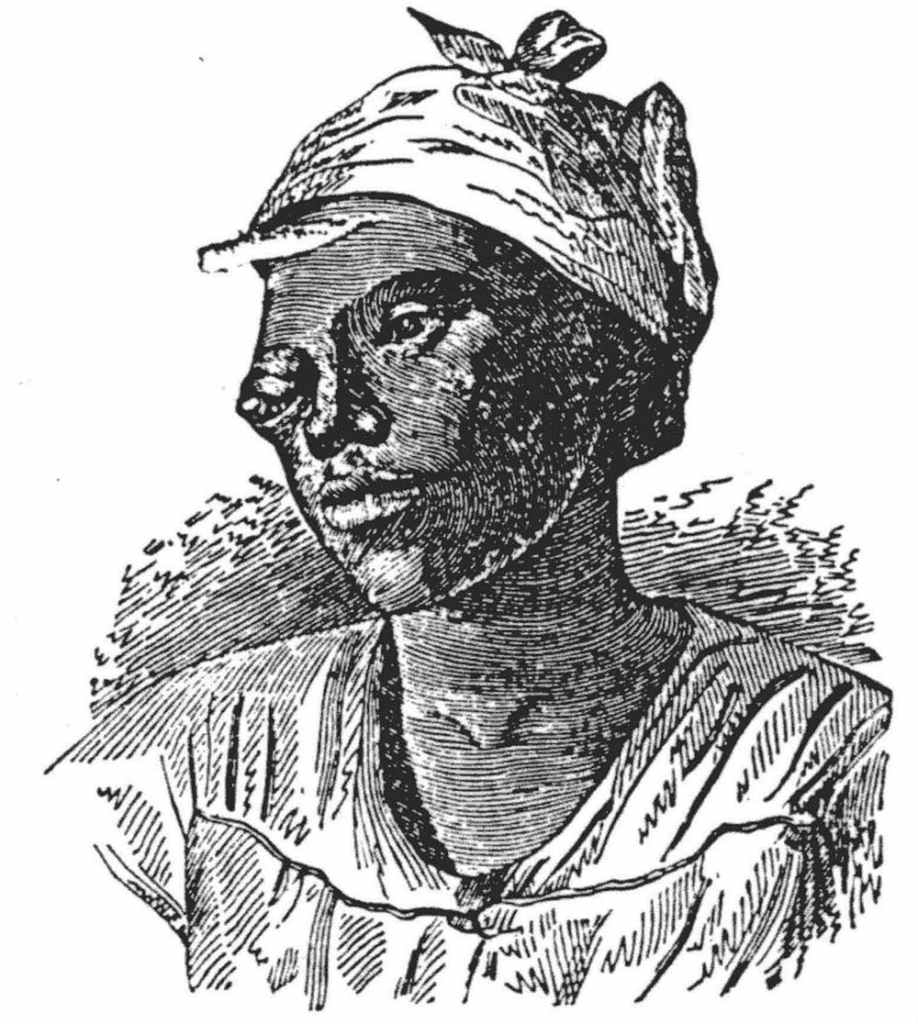
What was the experience for slaves with disability? Were there any institutions in place to meet the needs of people whose value consisted of labor and unfit for physically intensive duty? How did the concept of “unsoundness” apply to slaves and slave owners under the law? How did the disabled resist the peculiar institution? Were there differences between slave and free blacks when it came to care? Answering these questions will allow a better understanding of the complete range of community during late-antebellum America by focusing on disability and slavery in the mid-Atlantic states of Virginia and Maryland. Presenting the evidence with a cultural methodology offered the best approach to explain the circle of care that existed by slave owners, churches, and especially in African American slave communities. Boster applied a range of plantation record books, slaveholders’ diaries, correspondence, estate inventories, runaway advertisements, medical publications, and ex-slave narratives that allowed the author to determine how “unsound” slaves were assessed, and the value depended heavily upon the ability to perform labor. Her research indicated the complexity of the issue, interlinked as slavery was with the established power structure. The proposed cultural history will include quantitative analysis available through census, plantation, and church records, as well as personal memoirs for historic nuance. The approach followed Bredberg’s recommendation to make the most of vernacular and experiential perspectives in writing about disability. Disability historiography in the United States found its roots in revisionist accounts, and several articles in the literature bore attributes of Marxist writers such as B. J. Gleeson’s historical materialism, and feminist historians like Jenifer Barclay who focused often on enslaved mothers of disabled children.
Physical and mental impairments meant that enslaved Americans often confronted exceptional limitations in diagnosis, medical care, and assessment as property. Further, evidence indicated that a slave’s “soundness” comprised of visible and invisible conditions which included skin color, gender, character, vice, health, body, and emotional state. In this situation, disabled slaves were doubly afflicted with their condition of permanent servitude coupled with infirmity. Disability history is still an emerging field of study, thus contrasting this with the institution of slavery has seen an increase in the literature in the past five years. The subject matters as a historian and as the descendant of Virginia slaves. Telling the stories of these silent Americans deserve inclusion into the historiography of our country. This dissertation will add to the growing body of literature.
Bibliography
Boster, Dea Hadley. “Unfit for Bondage: Disability and African American Slavery in the United States, 1800-1860.” Order No. 3406224, University of Michigan, 2010. In PROQUESTMS ProQuest Dissertations & Theses Global, http://ezproxy.liberty.edu/login?qurl=https%3A%2F%2Fwww.proquest.com%2Fdissertations-theses%2Funfit-bondage-disability-african-american slavery%2Fdocview%2F276238747%2Fse-2%3Faccountid%3D12085.
Barclay, Jenifer L. “Mothering the “Useless”: Black Motherhood, Disability, and Slavery.” Women, Gender, and Families of Color 2, no. 2 (2014): 115-40. Accessed September 8, 2020. doi:10.5406/womgenfamcol.2.2.0115.
Bredberg, Elizabeth. 1999. “Writing Disability History: Problems, Perspectives and Sources.” Disability & Society 14(2), 189-201. DOI: 10.1080/09687599926262.
Elliott, Todd. 2020. “Disability in American Slavery: Final Paper.” HIST 501 – D06. Liberty University. October 11, 2020.
Elliott, Todd. 2022. Forret, Jeff. “”Deaf & Dumb, Blind, Insane, Or Idiotic”: The Census, Slaves, and Disability in the Late Antebellum South.” The Journal of Southern History 82(3) 503-48, http://ezproxy.liberty.edu/login?qurl=https%3A%2F%2Fwww.proquest.com %2Fdocview%2F1810541299%3Faccountid%3D12085.
Stephen, Kenny. 2021. “How Black Slaves Were Routinely Sold as ‘Specimens’ to Ambitious White Doctors.” The Conversation. October 14, 2021. https://theconversation.com/how-black-slaves-were-routinely-sold-as-specimens-to-ambitious-white-doctors-43074.
[1] “Great Sale of Slaves.” The Sun (1837-1994). Baltimore, Md., United States Baltimore, Md., Baltimore, Md., 1859.
[2] Todd Elliott, 2020, “Disability in American Slavery: Final Paper,” HIST 501 – D06, Liberty University, October 11, 2020, 1.
[3] Jeff Forret. “”Deaf & Dumb, Blind, Insane, Or Idiotic”: The Census, Slaves, and Disability in the Late Antebellum South.” The Journal of Southern History 82, no. 3 (August 2016).
 Todd Elliott, Writer